Federate the Evidence
Bring together agricultural, climate, and market data already structured and confidence-scored through OpenTrace's federation and trust layers.
Predictive Intelligence converts trusted OpenTrace data into forecasts, risk signals and decision support. It helps users see emerging conditions earlier, test likely outcomes and act with more confidence before pressure becomes crisis.
HOW PREDICTIVE INTELLIGENCE WORKS
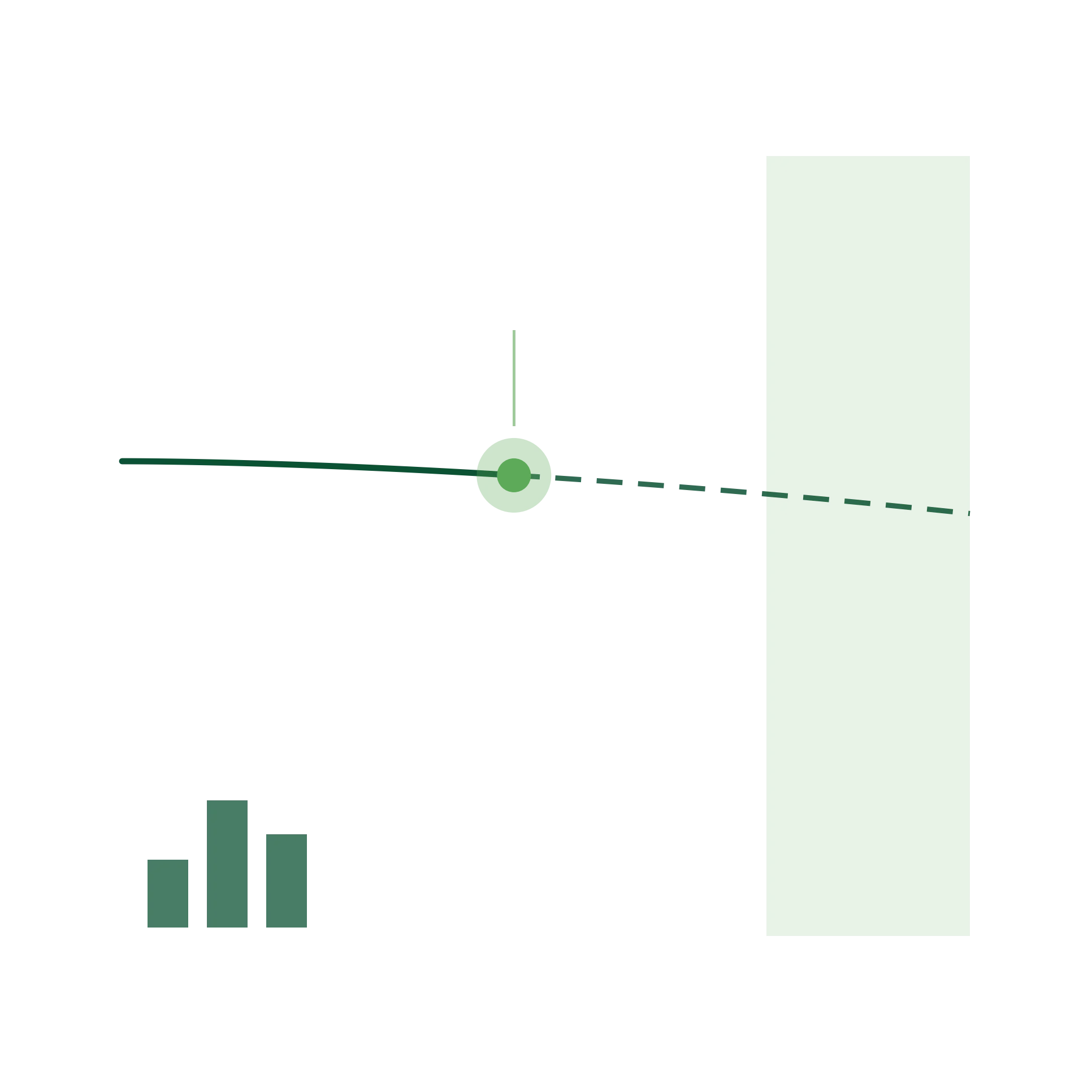
Bring together agricultural, climate, and market data already structured and confidence-scored through OpenTrace's federation and trust layers.

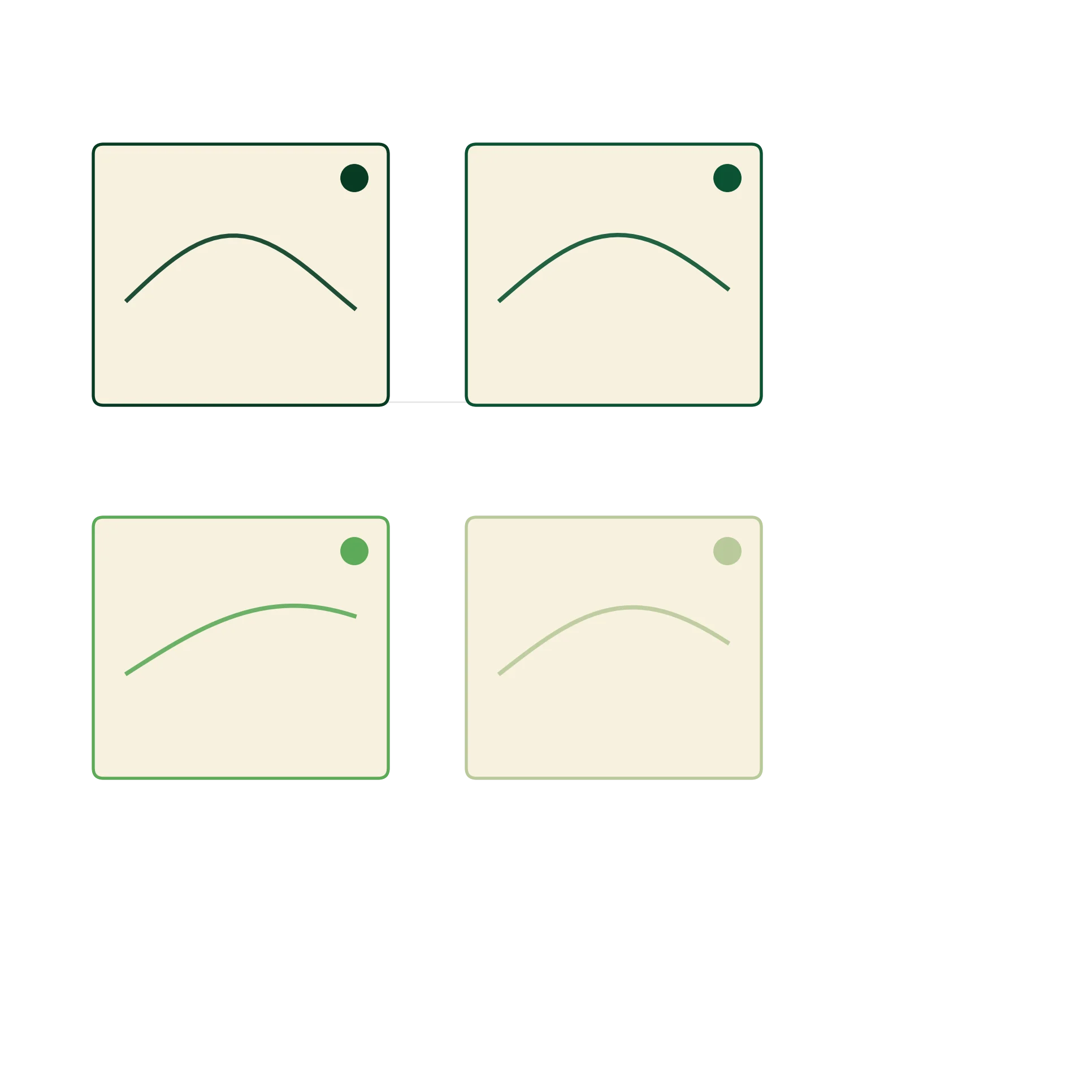
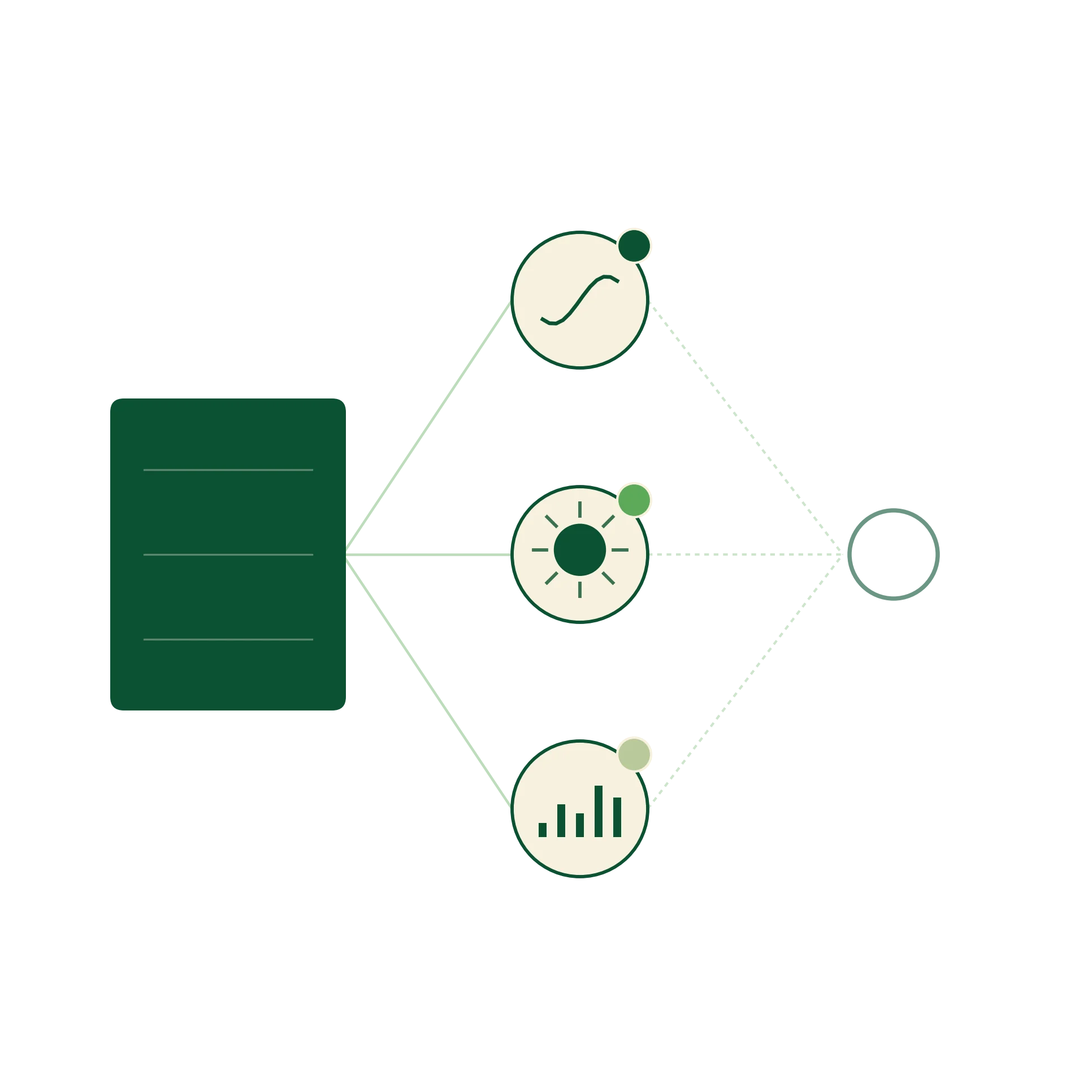
Build focused models for each type of signal, rainfall, yield, price, input cost, rather than one generic model flattening every region into the same average.
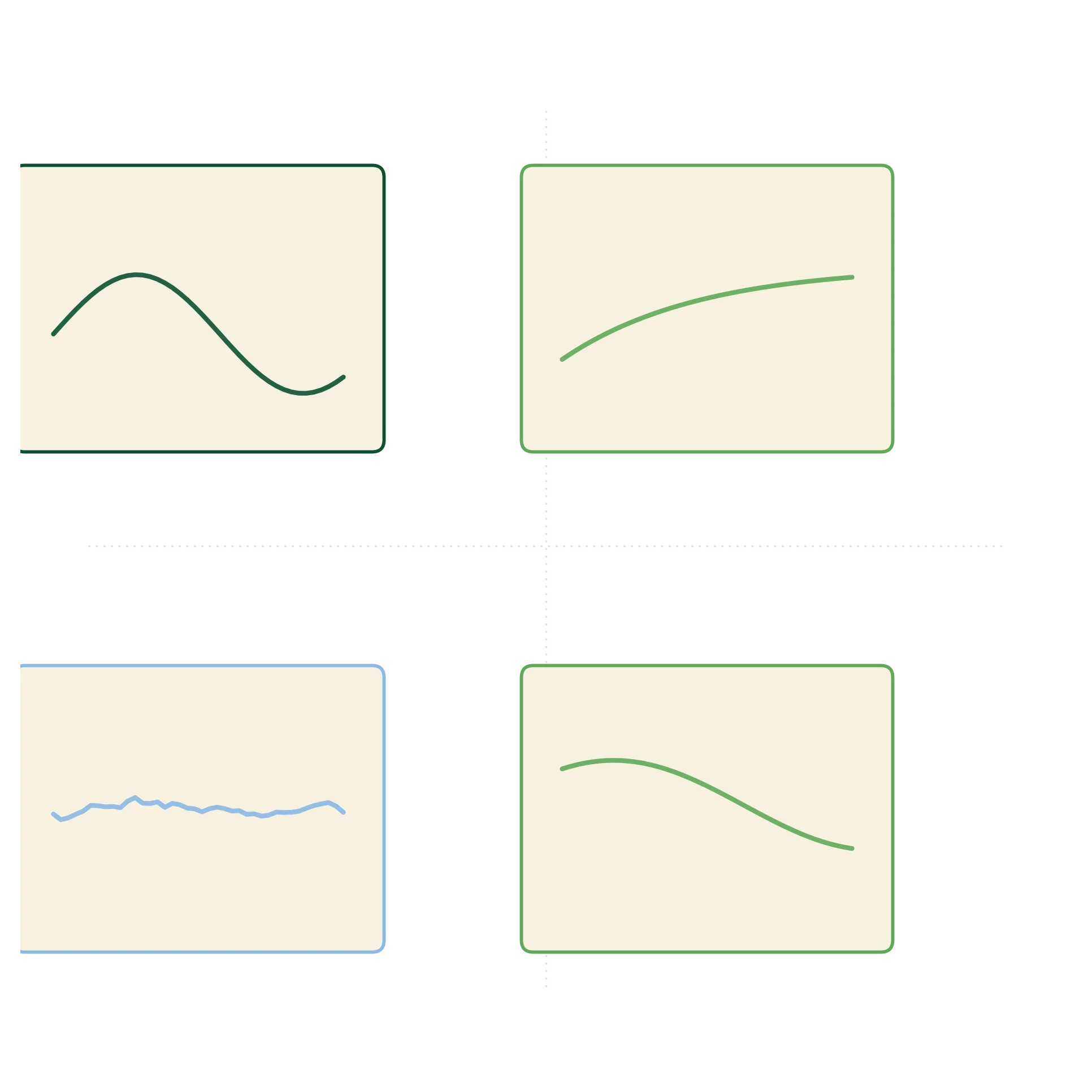
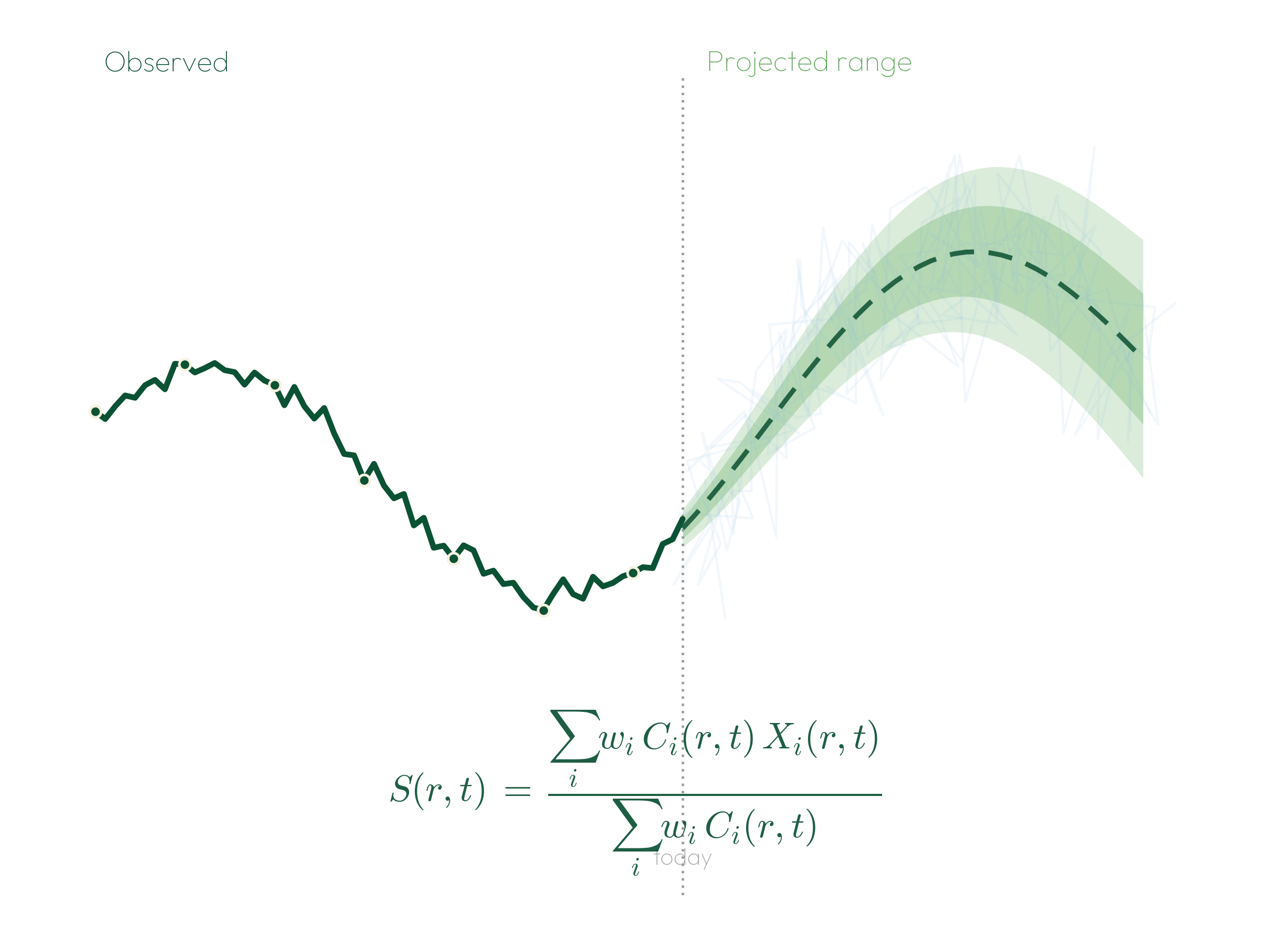
Merge indicator signals into one forward-looking view, weighting each by how much it can actually be trusted, so strong evidence counts for more than thin evidence.
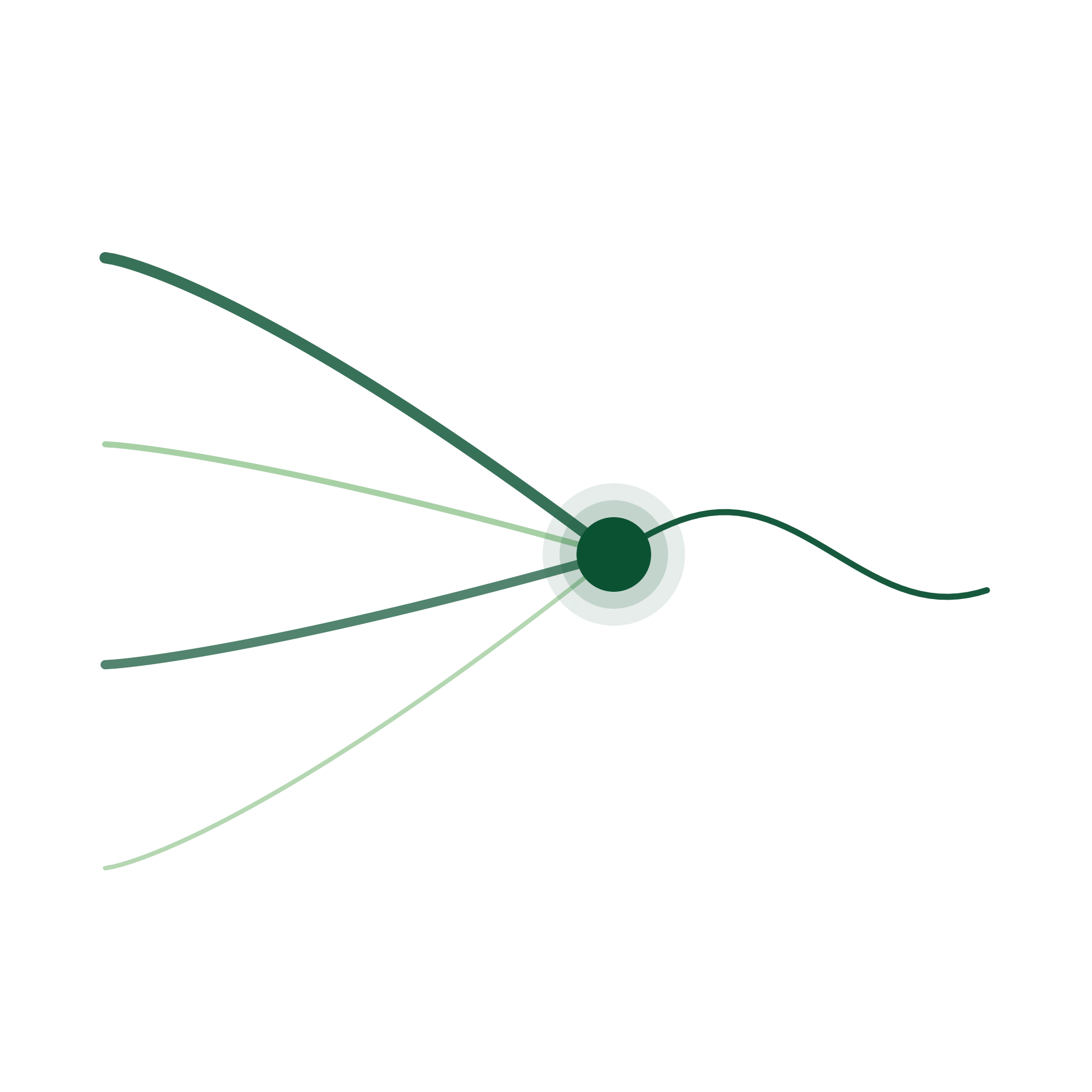
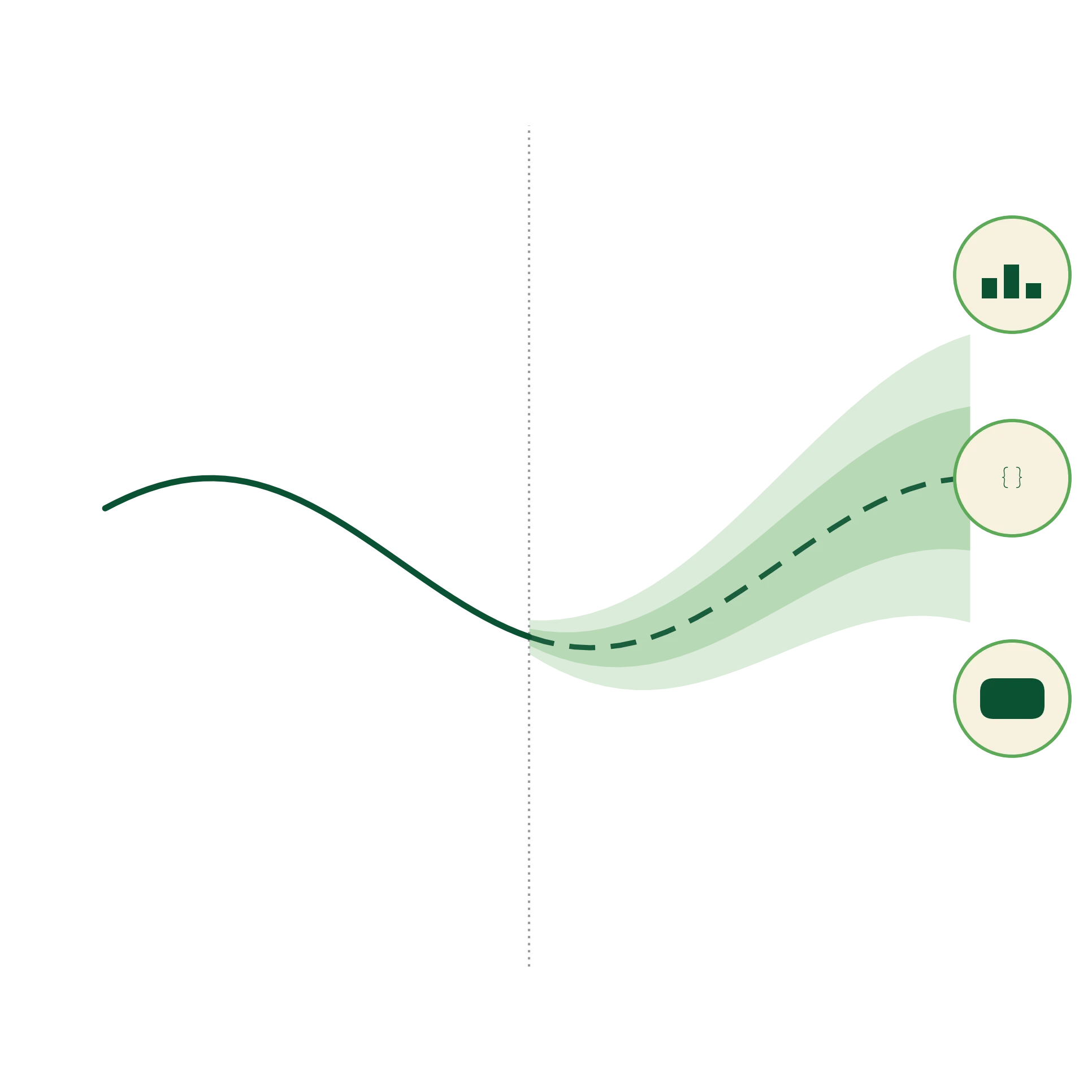
Match current conditions against real historical analogues and deliver a confidence-banded range through dashboards, APIs, and Ask ADZA, never a single unqualified number.
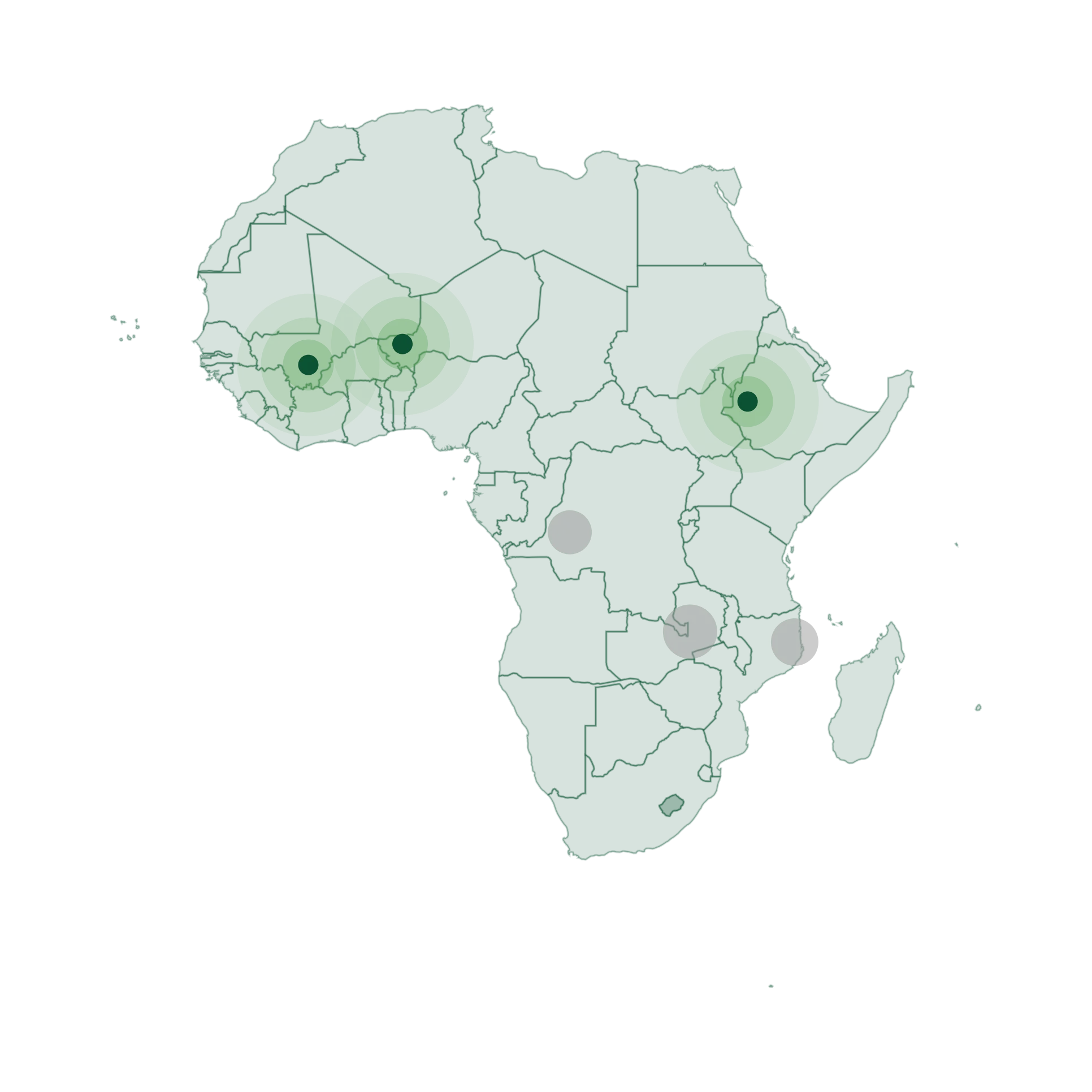
Surfaces emerging shifts in production, prices, and climate exposure across regions and seasons, before they show up in traditional reporting.
Flags districts and value chains where converging signals point to elevated risk, combining evidence across indicators rather than relying on any single source.
Projects plausible outcome ranges based on real historical analogues, so results are shown as a bracketed range grounded in what has actually happened before, never a single guess.
Every forecast carries an explicit confidence level. Where evidence is thin, that is shown clearly rather than hidden behind a confident-looking number.
Anticipate production gaps, climate exposure and food security pressure, so public programmes can plan earlier and allocate resources with stronger evidence.
Identify emerging vulnerability signals across regions, crops and communities before risks become harder to contain, and target interventions with better timing.
Forecast supply, demand and production conditions alongside forward-looking risk signals, to support procurement, lending, and portfolio decisions in one view.
Use structured, confidence-scored forecasts and trend signals as a foundation for rigorous agricultural analysis, without reconstructing fragmented datasets first.
Get early, plain-language signals on rainfall, yield conditions and market movement, so planning happens ahead of the season rather than in reaction to it.
Plan earlier for food security, production risk, climate stress and resource allocation.
Target interventions before vulnerability becomes severe and monitor emerging needs.
Forecast supply, demand, and exposure to sharpen sourcing, lending, and portfolio decisions.
Use structured forecasts and confidence-scored trend signals to support agricultural analysis and policy research.
Get early, plain-language signals on rainfall, yield, and market movement through Ask ADZA.
We’re transforming agriculture through data. Get on the list and stay ahead of the curve.
Your application has been received. We’ll be in touch if your profile matches this role.